
The Therapeutic Goods Administration (TGA) released detailed guidance on system or procedure packs of medical devices for use and sale in the country. This document explains regulatory requirements, clarifies details, and offers recommendations to help manufacturers and stakeholders ensure compliance.
By reading this article, you will gain an understanding of the crirteria which must be met to determine what is a a System or Procedure Pack. For manufacturers of Systems and Procedure Packs, this information will assist understanding of the regulatory requirements needed to comply with to ensure device safety and effectiveness.
Background of the Guidance
The regulatory changes clarify the application of medical device regulations to system or procedure packs, following public and targeted consultations by the TGA since October 2019. These changes align with the TGA’s commitment to match the European Union’s medical device regulations where feasible, as part of its response to the Review of Medicines and Medical Devices Regulation.
On 1 July 2021, the TGA organised a workshop with charities and state education departments to discuss the packs these organisations supply and any constraints on their distribution.
Participants shared examples of their packages and explored different perspectives on distribution.
Medical Device Systems or Procedure Packs
System or procedure packs (SOPPs), as outlined in section 41BF of the Therapeutic Goods Act 1989, are medical devices used in medical or surgical procedures. These packs consist of a combination of two or more items where at least one item is a medical device. Furthermore, the criteria include either:
- All items are intended to be interconnected or combined for use in a medical or surgical procedure, irrespective of their packaging status; or
- All items are packaged together specifically for use in a medical or surgical procedure, regardless of whether they will be interconnected or combined during said procedure.
Items linked or bundled for use or packaged for non-medical or surgical purposes are not considered to be a system or procedure pack.
Benefits of System or Procedure Packs Medical Devices
System or procedure packs offer several advantages in clinical settings:
- Efficiency: SOPPs save time and reduce preparation efforts for medical procedures by providing all necessary items in one package.
- Standardisation: SOPPs ensure all components meet specific standards, reducing variability and potential errors.
- Cost-Effectiveness: Bulk purchasing and assembling items into packs can reduce costs and minimise waste.
- Sterility: Pre-assembled packs lower the risk of contamination by reducing the handling of individual items.
Examples of Systems that are SOPPs
Implantable Ventricular Circulatory Assist System
This portable assembly of components is designed to provide mechanical assistance to a heart ventricle by pumping blood from the left ventricle to the aorta through an extra-cardiac circuit. The system typically includes an implantable pump, an implantable connecting cannula and/or grafts, a percutaneous electrical lead, and external electronic components such as a battery pack or controller. It is commonly used as a bridge to heart transplantation.
Blood Glucose Monitoring System
A non-continuous blood glucose monitoring system is an IVD medical device used to monitor blood glucose levels in patients with diabetes. This system may include a blood glucose meter that connects to a smartphone, a software app, blood glucose test strips, blood glucose controls, and lancets.
Examples of Procedure Packs
First Aid Kits
First aid kits are medical devices assembled as a unit and contain various equipment and materials intended for rapid initial treatment of injuries in emergencies. They are used by emergency medical service officers, first aid officers in schools and other institutions, and consumers at home, in motor vehicles, or public settings.
Sterile Surgical Procedure Packs
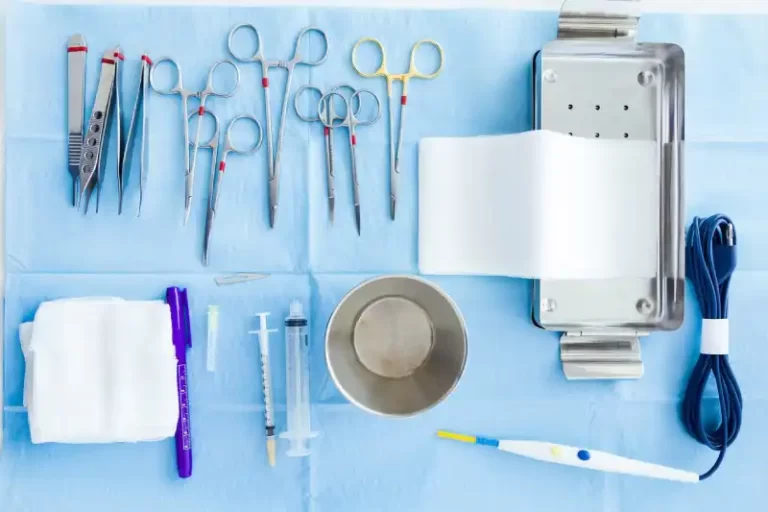
Sterile surgical procedure packs are medical devices used by healthcare professionals in hospitals. These packs are assembled as a unit and contain essential materials for performing a surgical procedure.
Given their use in sterile surgical settings, it is crucial to ensure the sterility of medical devices and their components. These packs may contain clamps, drapes, sutures, needles, and other items.

Regulation of System or Procedure Packs and the Special Conformity Assessment Procedure
The TGA launched System or Procedure Packs (SOPPs) guidelines dated 25 November 2021. The guideline defines what is a Procedure Pack in accordance with S41BF of the Act, and the conformity assessment procedures which must be applied to ensure safety, quality and performance.These packs must be included in the Australian Register of Therapeutic Goods (ARTG) as distinct medical devices.
Manufacturers of SOPPs can demonstrate conformity to regulatory standards through one two pathways:
- Securing market authorisation – Obtain market authorisation from an independent body.
- Special conformity assessment procedure – Apply for a specific conformity assessment procedure outlined in the Therapeutic Goods (Medical Devices) Regulations 2002, provided they meet the criteria for medical devices used for particular purposes.
Transitional Arrangements and Support Mechanisms
The guidance provides detailed information on the transitional arrangements for SOPPs included in the ARTG to ensure a smooth transition to the new regulations. This is designed to help sponsors and manufacturers understand their obligations under the new rules. The document also outlines regulatory support mechanisms for charities and other organisations, such as schools, to facilitate the supply of SOPPs.
Compliance Tips for Manufacturers and Healthcare Providers
To help manufacturers and healthcare providers ensure compliance with TGA regulations, consider the following tips:
- Stay informed – Keep up to date with the latest TGA regulations and guidelines.
- Documentation – Maintain thorough documentation of all processes and components used in SOPPs.
- Quality control – Implement rigorous quality control measures to ensure the safety and effectiveness of your products.
- Training – Regular staff training ensures they understand and comply with regulatory requirements.
- Consultation – Engage with regulatory experts or consultants to navigate complex compliance issues.
Strengthening Regulatory Compliance and Support for System or Procedure Packs
The current TGA guidance for system or procedure packs on medical devices showcases a thorough approach to regulating medical devices. It prioritises safety and efficacy while considering the unique needs of charities and other organisations.
By offering clear regulatory pathways, definitions, and examples, the TGA aids medical device manufacturers and stakeholders comply with the relevant regulatory requirements. The transitional arrangements and support mechanisms highlighted in the guidance reflect the TGA’s dedication to a seamless transition for all parties.
By clarifying the requirements and providing vital support systems, the TGA ensures that medical device packs are safe, effective, and readily available for clinical use across Australia.
Ensure Compliance and Safety with Expert Guidance
Understanding all the complexities associated with medical device regulations and TGA compliance requirements can be demanding. Partnering with experts like Vicki Partridge, a reputable medical device regulatory agent in Australia, can streamline your compliance
process.
Vicki offers comprehensive services to ensure your system or procedure packs meet TGA requirements. To book your medical device regulatory consultation or learn more about what Vicki can offer, call +61 7 55295508.