
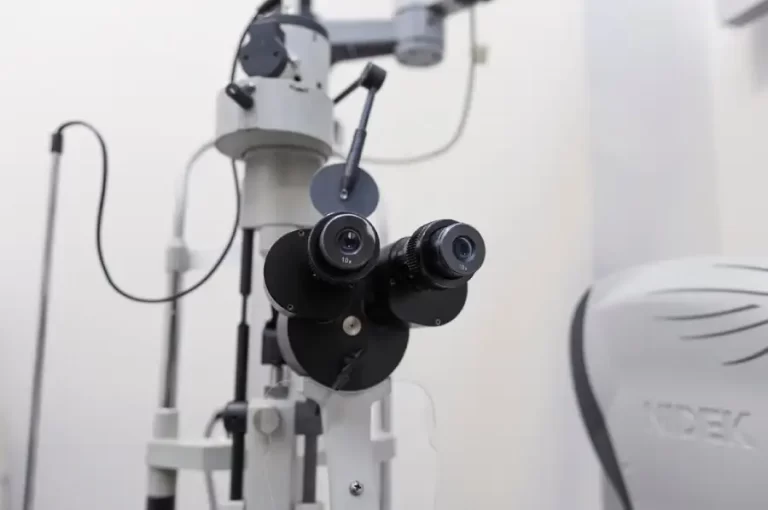
Design control in medical device companies refers to a structured process that guides the development of medical devices to ensure they meet user needs, intended purposes, and regulatory standards. These controls outline specific requirements for the design and development process, ensuring devices are not only functional but also safe and reliable.
Implementing design controls is essential for manufacturers to maintain compliance with regulations and demonstrate accountability throughout a device’s lifecycle.
Why Are Design Controls Necessary?
Design controls are crucial for:
- Ensuring safety – They help identify and mitigate risks early in the development process.
- Adhering to regulatory compliance – Medical device regulations require manufacturers to demonstrate adherence to design processes for approval.
- Improving efficiency – Structured development reduces the risk of costly redesigns and product recalls.
Key Elements of Design Controls
1. Quality Management System (QMS)
A QMS provides the foundation for implementing design controls. It integrates design requirements with broader quality assurance processes, ensuring consistency and traceability.
2. Design Inputs and Outputs
Design inputs define what the device should achieve, while design outputs translate those inputs into tangible specifications. Proper documentation ensures alignment and verifies that the device meets its intended purpose.

3. Risk Assessments
Risk management is an integral part of design controls. By evaluating potential hazards, manufacturers can implement measures to mitigate risks, ensuring safer devices.
4. Design Reviews
Regular design reviews allow teams to assess progress, identify potential issues, and make necessary adjustments. These reviews ensure that every stage of development aligns with the project’s goals.
5. Verification and Validation
Verification confirms that design outputs meet the defined inputs, while validation ensures the device meets user needs in real-world conditions. These steps are critical for demonstrating product safety and effectiveness.
Design controls are vital for developing safe and effective medical devices. They provide a framework for ensuring quality, compliance, and reliability throughout the device lifecycle.
Partner with an Experienced Compliance Consultant
Consult Vicki Partridge for expert guidance in regulatory compliance and implementing robust design controls for medical devices. Contact her at +61 7 55295508 to streamline your design processes and ensure compliance.